| Traveler | Handle | Image | Info |
|---|
| Dave | Zeus | 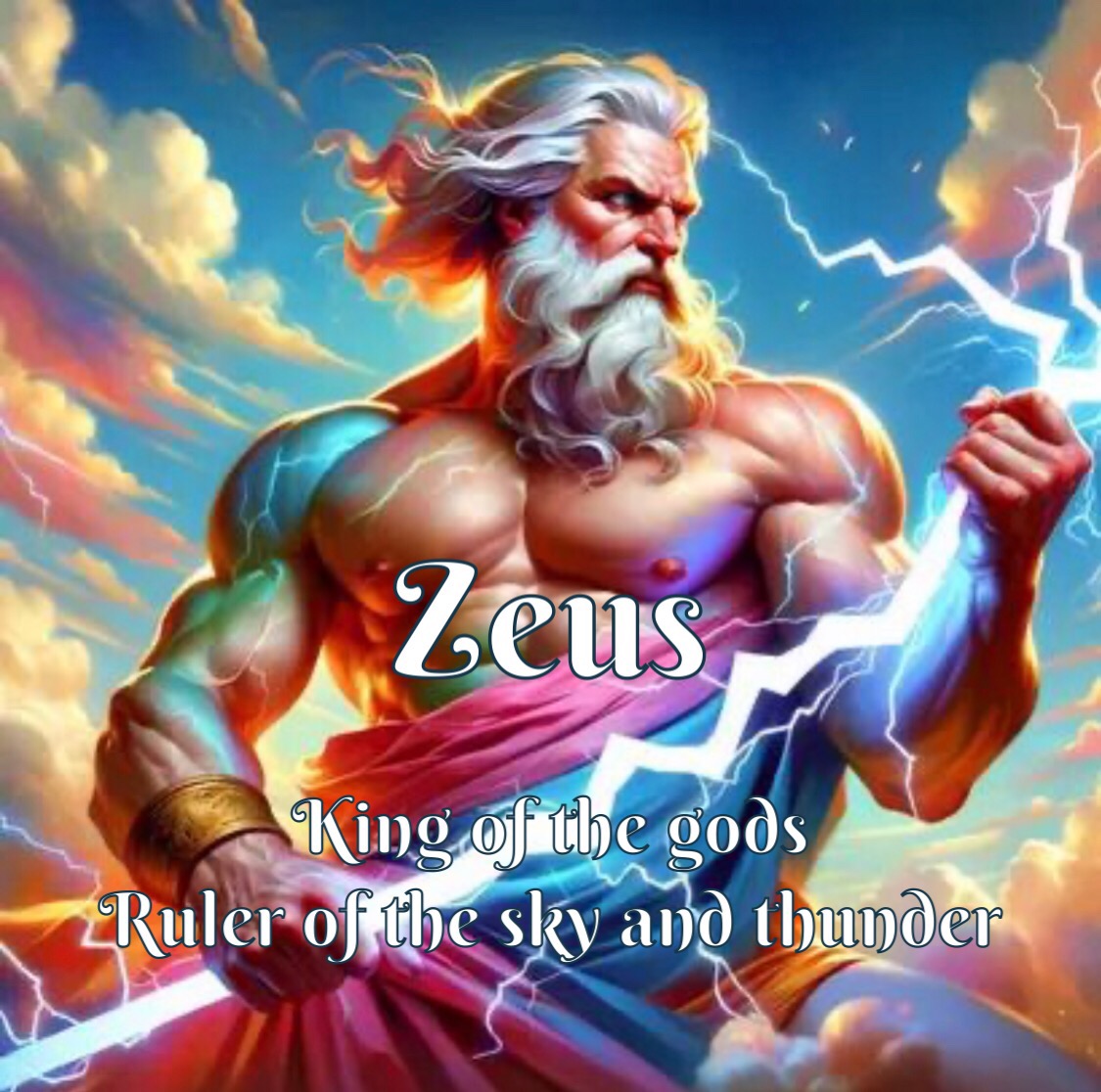 | Ruler of the Gods. In human form, Zeus appears as a small, out of shape, old man who enjoys relaxing on his reclining throne. |
| Renee | Athena | 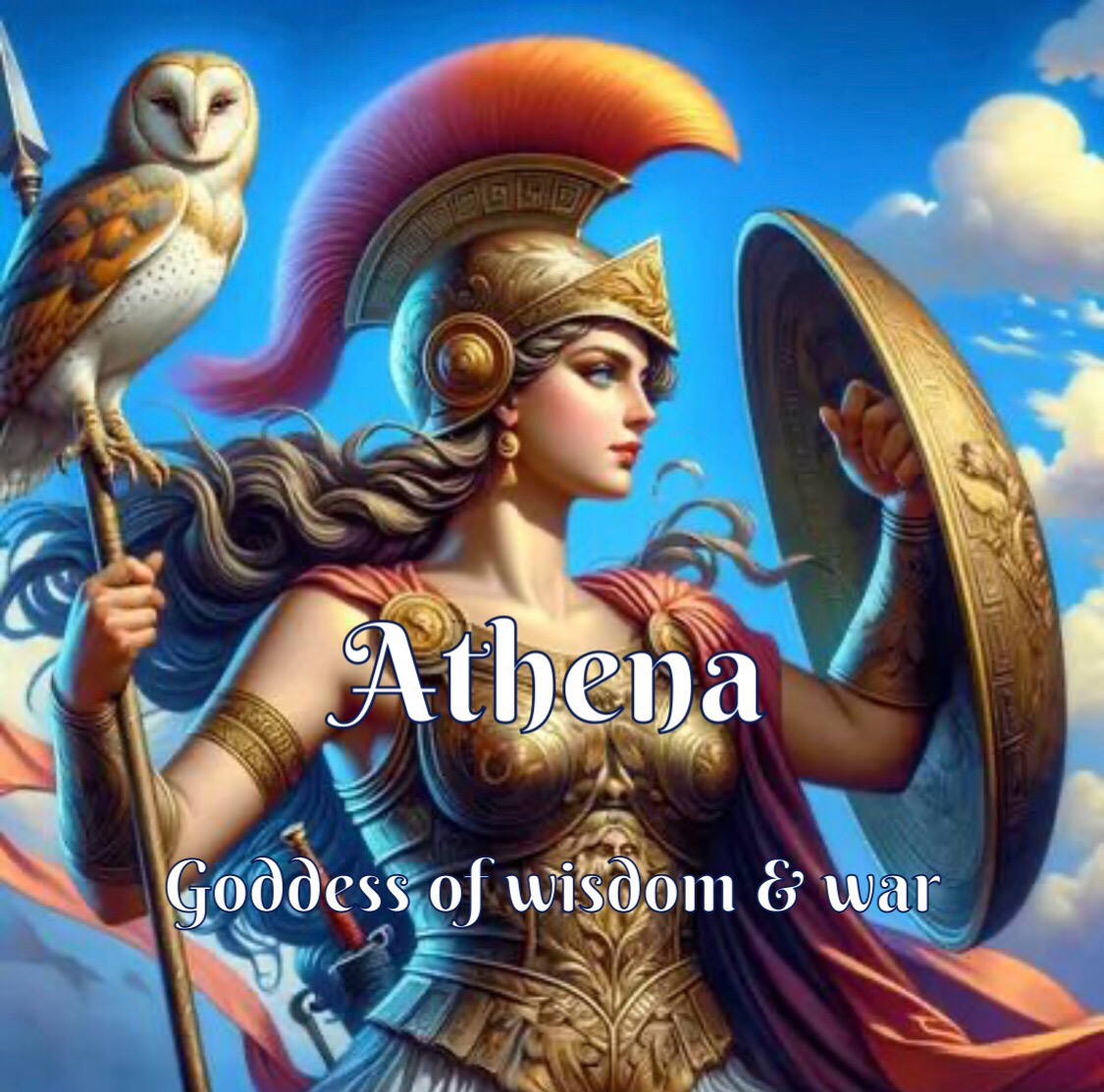 | Goddess of Wisdom and War...as well as handicraft, courage, inspiration, civilization, law and justice, strategic warfare, mathematics, strength, strategy, the arts, and skill. (Woa!!! Does this Type A Goddess ever sleep?) Athena has most recently appeared cruising the world with senior citizens and exploring Greece with her family. |
| Chris | Hephaestus | 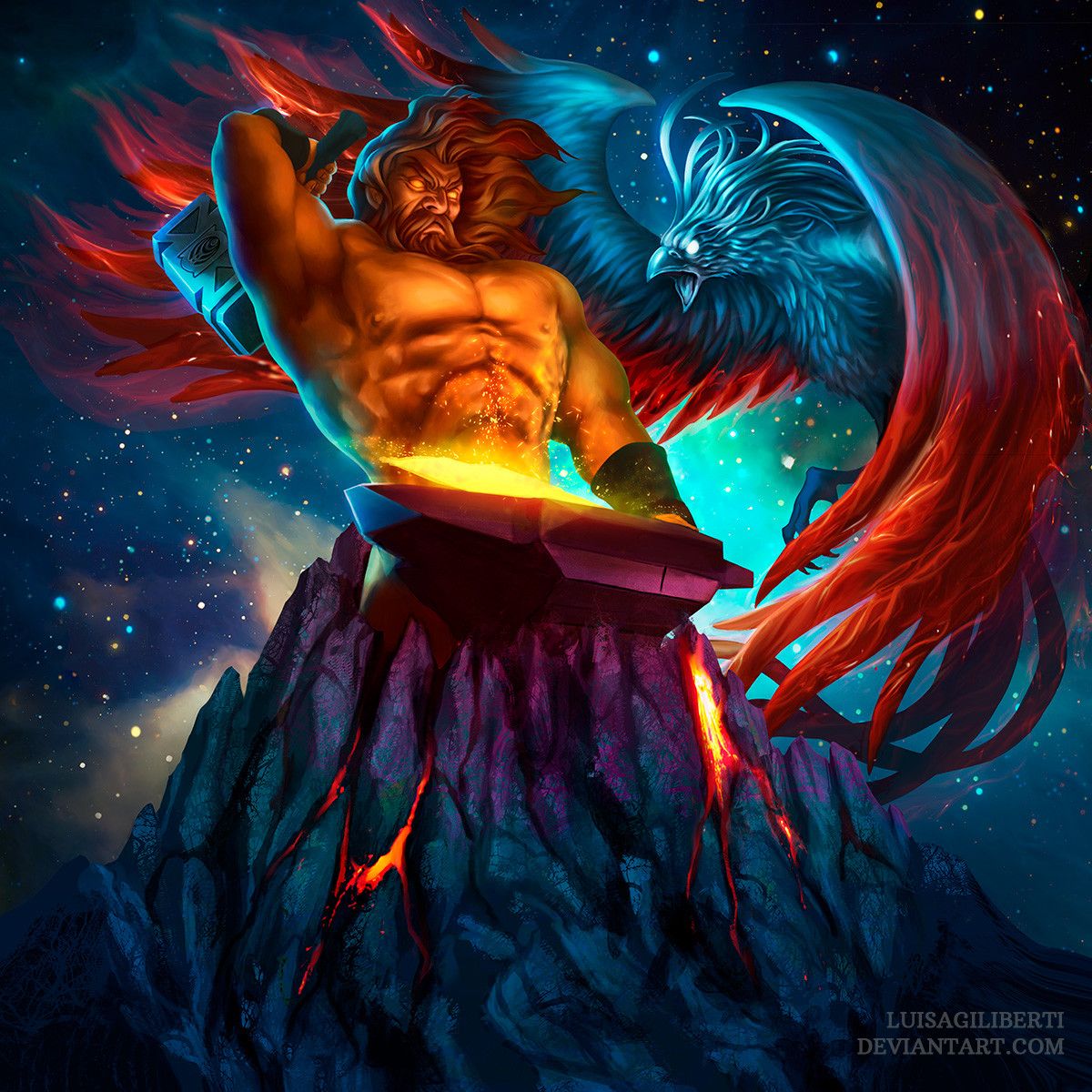 | God of fire, metalworking, stone masonry, forges and the art of sculpture. He was a smithing god, making all of the weapons for Olympus and acting as a blacksmith for the gods. He had his own palace on Olympus where he made many clever inventions and automatons of metal to work for him. He is known for resilience, creativity, and the complexities of divine relationships. He used his skills to help mortals - in his case artists. It was believed that he taught men the arts alongside Athena. Also of note was Hephaestus' total disdain for Comic Sans fonts, which he refused to chisel into his sculptures. |
| Rebecca | Venus | 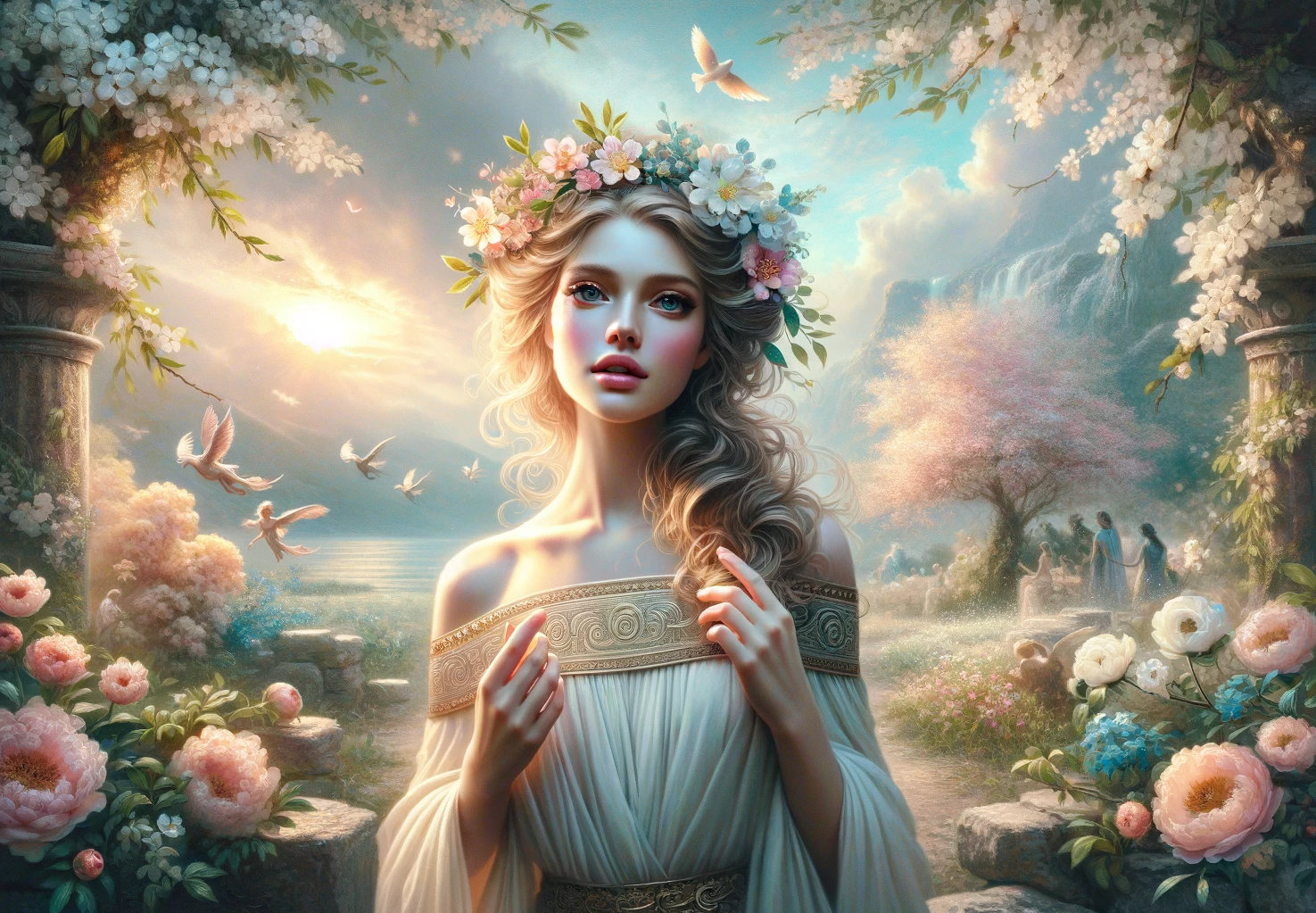 | Venus is the Roman goddess of love, beauty, prosperity, fertility, and victory. She was so important to Romans that they claimed her as their ancestress. In a way, it is accurate to say that Venus was the mother of Rome. However, Venus had strong ties to Greek mythology, too. The Romans thought she was the same goddess as Aphrodite, the Greek goddess of love. They adopted many of Aphrodite's symbols, such as roses and myrtle, to represent Venus. Other symbols of Venus included the scallop shell, doves, dolphins, pomegranates, pearls, and mirrors. For some inexplicable reason, Venus loves the color red. In more recent times, Venus has overseen the funding of research to help cognitively impaired victims of Athena and Enyo's rampages. |
| Michelle | Gaia | 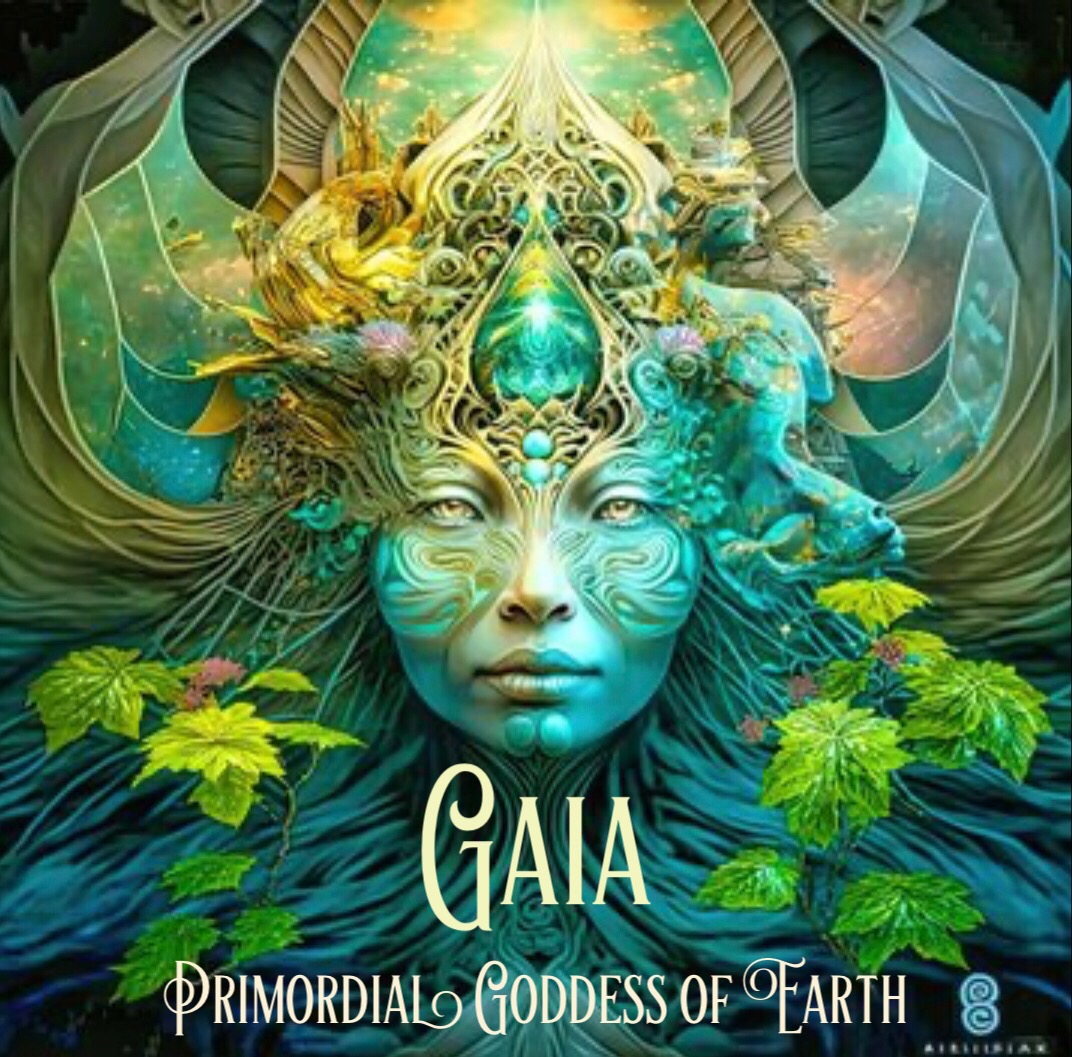 | Primordial Goddess of the Earth. Her name essentially means earth or land and shows that she was the human version of the earth. Some refer to her as the ancestral mother and claim that she gave birth to all of the elements of the world. Gaia was the first of the immortals. She arose during the chaos period. Greeks refer to this period as the time before gods and goddesses. Gaia's compassion for the Earth can also be noted by her reduced carbon footprint...she drives a Tesla. |
| Infinity | Amphitrite | 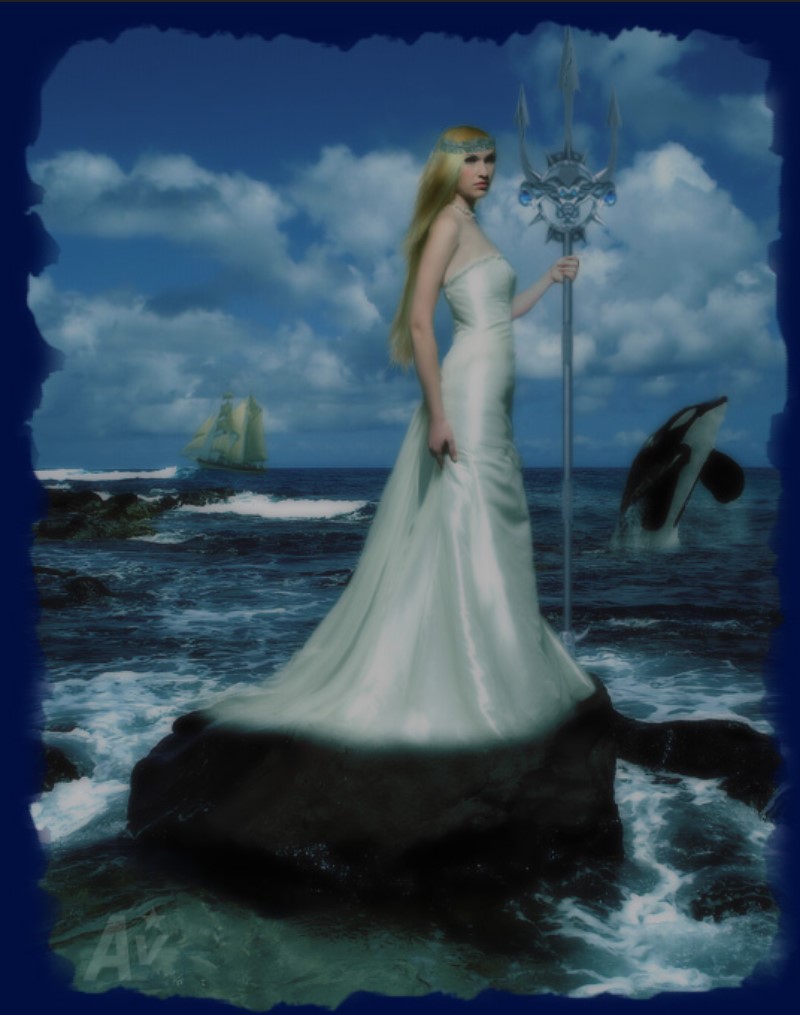 | Greek goddess, one of several who ruled the seas. Originally, she was known as the wife of sea-god Poseidon. An ancient Greek poet wrote that Poseidon saw her dancing and fell in love with her. Being a king, he assumed that he could just carry her off, but she escaped his clutches and ran away, swimming far across the seas to the very end of the water. Poseidon hunted for her under every barnacle and bit of seaweed. Searching among the fishes and sea creatures for his lost love. Frustrated at not being able to find her, he sent his precious pet dolphin out to look for her, thinking that a dolphin would have better luck and get the job done faster. He was right. The dolphin swam to Amphitrite and spoke with her in a soothing and comforting voice, persuading her that Poseidon really did love her and would not harm her. Finally, she agreed to return with the dolphin and become Poseidon's wife. Amphitrite has since traded in her fins for running shoes and takes frequent walks with her canine sidekick. She also has a paid gig reviving mortals after medical scoping at either end. |
| Rick | Poseidon | 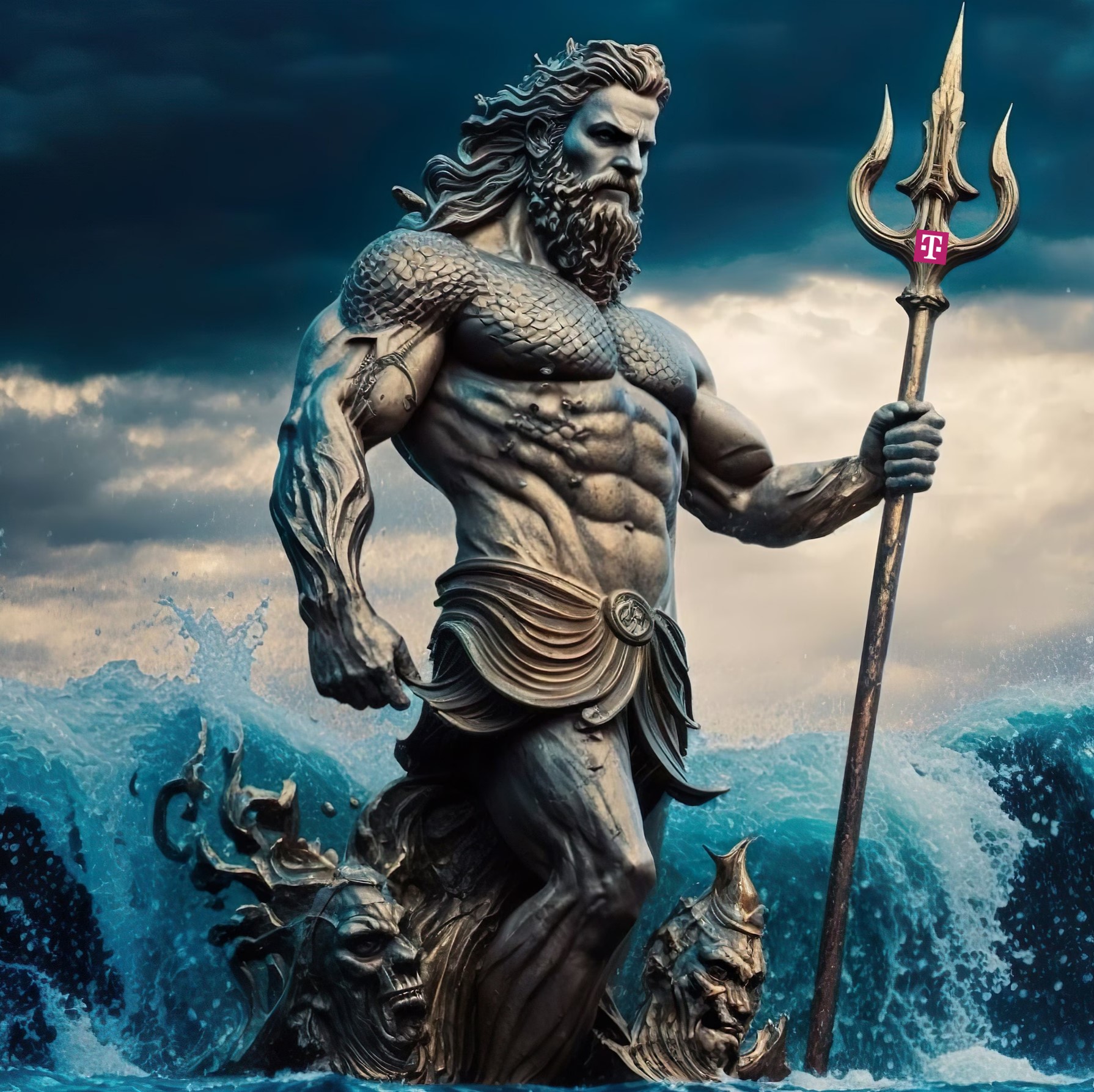 | God of the sea, earthquakes, storms, and horses. He is considered one of the most bad-tempered, moody and greedy Olympian gods. His vengeance when insulted was also legendary. In the epic battle between the Olympians and Titans, Poseidon played a pivotal role. Armed with his trident, a gift from the Cyclopes, he helped the Olympians claim victory. His trident became a symbol of his power to cause earthquakes and control the seas. Also known to some mortals as God of Communications, or "The Big 5G". His travel mates are hoping that he does not forget to pack his trident for our Greek Islands cruise. |
| Nevaeh | Bia | 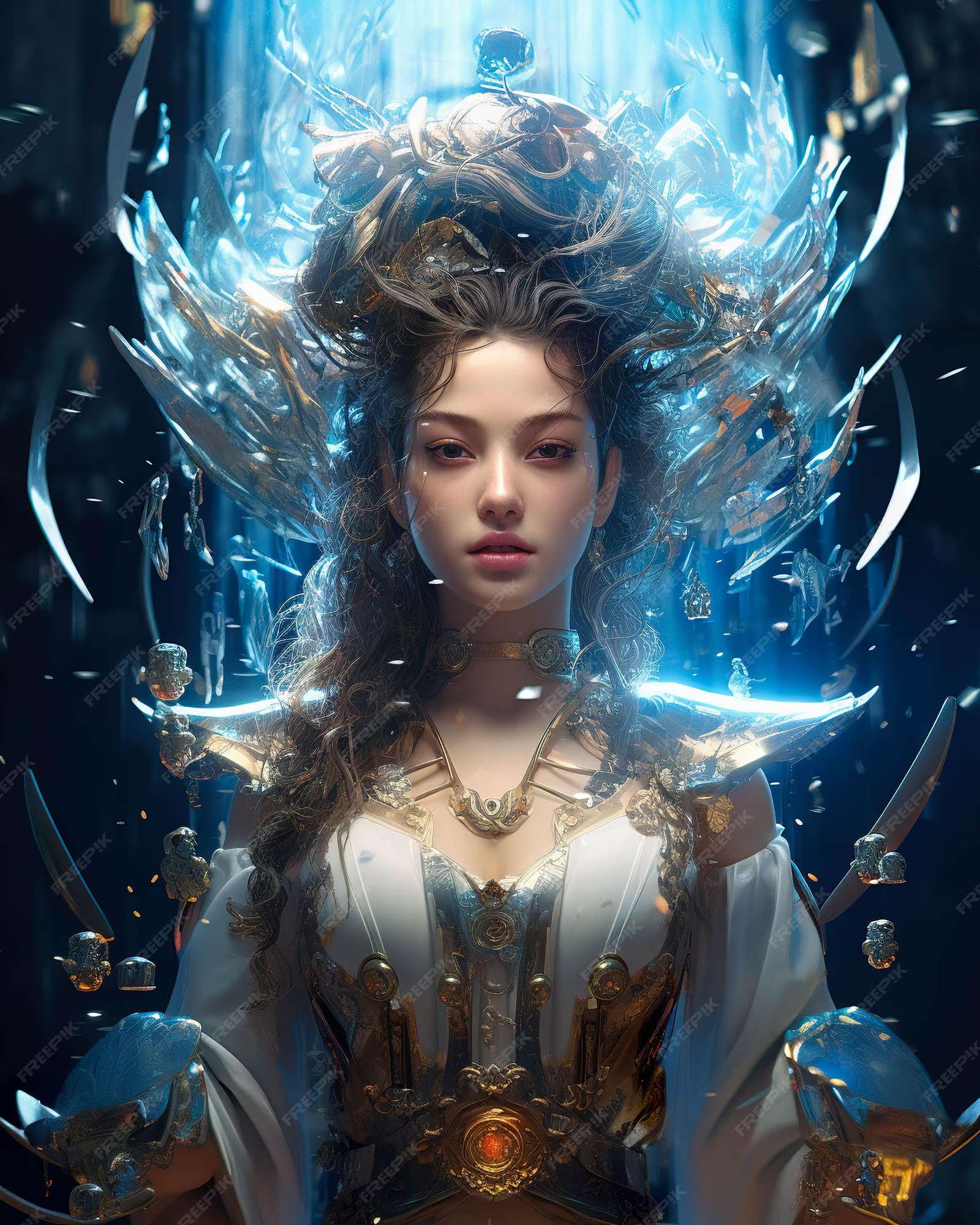 | Greek goddess personifying force and power. Though they were Titans, Bia and her family fought alongside the Olympian gods during the 10-year war between the Titans and the Olympians. After the Olympians won, Zeus recognized her efforts by rewarding her and her family handsomely. Bia also brought her power to bear when she chained Prometheus to rock after Zeus ordered him to be punished for stealing fire from the gods. Bia recently shared some of her force and power with a game of the gods called "football". Fellow gods and goddesses could be heard chearing "Roll Tide" from the clouds as games progressed. |
| Talia | Enyo | 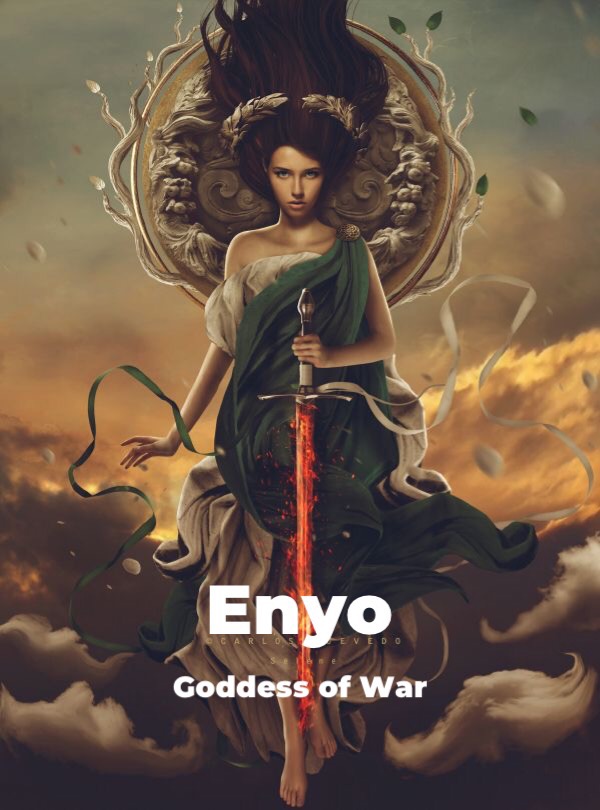 | Goddess or personified spirit (daimona) of war and destruction of towns and cities. The Romans called her Bellona. In another famous part of mythology, Zeus had a battle with a monster called Typhon. Enyo enjoyed seeing the battle so much that she would not choose a side in the fight. (Thanks for the helping hand, Enyo!!!) Recently certified as a commercial pilot, Enyo now flies over the path of her destruction to admire her work. |
| Maddie | Calliope | 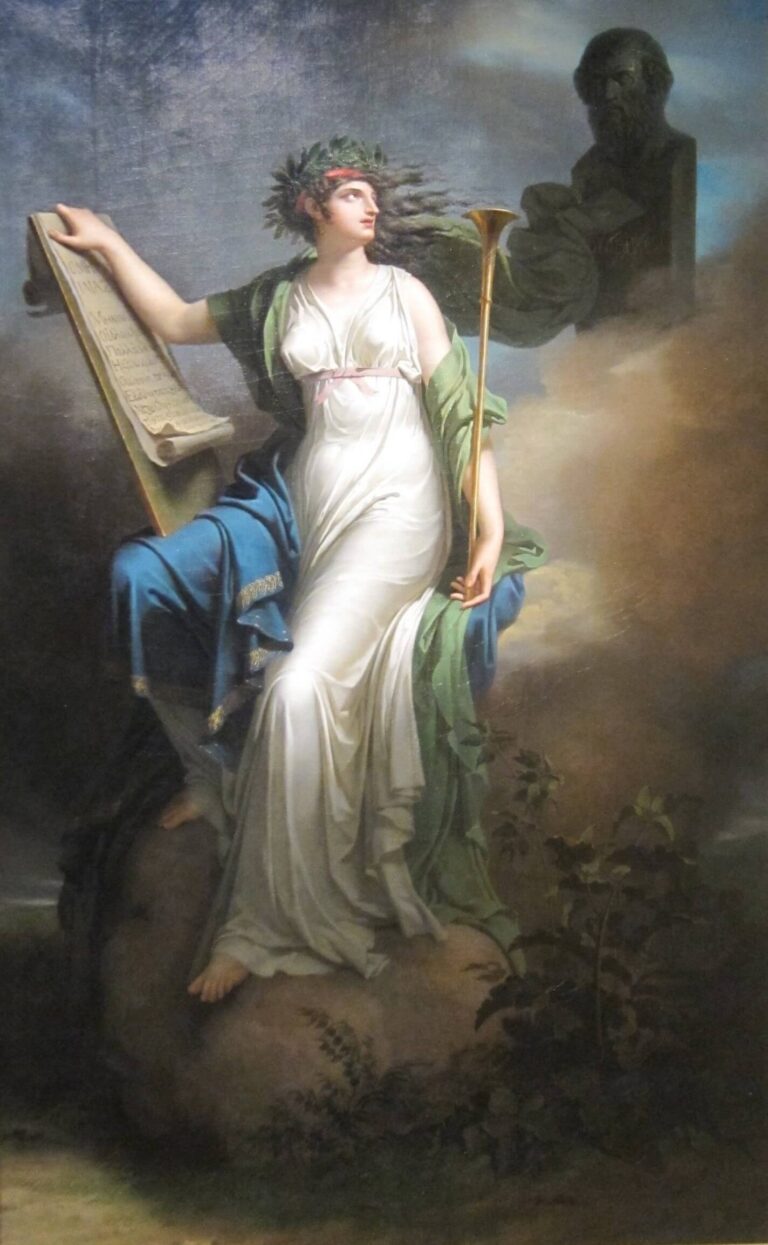 | "Chief of all Muses", Goddess of Epic Poetry. As the oldest of the muses, she had influence. People with creative talents called upon her to help inspire and guide their work which she did regularly. When she wasn't busy falling in love, she was overseeing music, song, and dance. One of the most significant symbols associated with Calliope is the lyre, a stringed instrument commonly used in ancient Greek music. Calliope is also associated with trees, particularly the laurel tree, which was sacred to her. Calliope now streams her content. Her latest contribution, Existing, can be found at: https://music.youtube.com/watch?v=ZBxQdW3qwKo |
| Gavin | Apollo | 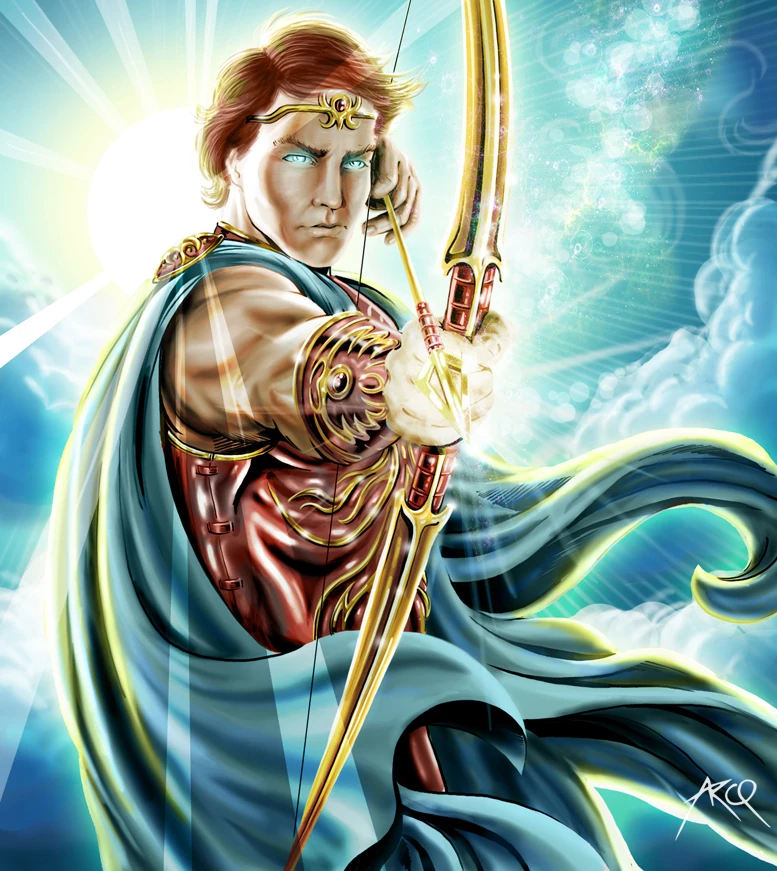 | Apollo is the Greco-Roman god of archery, music and dance, truth and prophecy, healing and diseases, the Sun and light, poetry, and more. He is one of the most widely revered and influential of all the ancient Greek and Roman gods. Apollo's symbols were many. In addition to the bow, lyre, and cithara, Apollo was also represented by the tripod, sacred plants, such as the palm tree (the tree under which he was usually said to have been born), the laurel (whose leaves crowned those honored by Apollo), and the cypress. Finally, Apollo's symbols included an array of sacred animals. Among the most important of these were swans and cicadas (symbolizing music and song); ravens, hawks, and crows (his messengers); snakes (connected with prophecy); and wolves, dolphins, deer, mice, and griffins. Apollo will bring sunshine to vacationers heading to Greece, and he may actually enjoy some of those rays himself. Prophecy indicates that he will be bringing his music with him as he travels. |
| Yeshe | Selene | 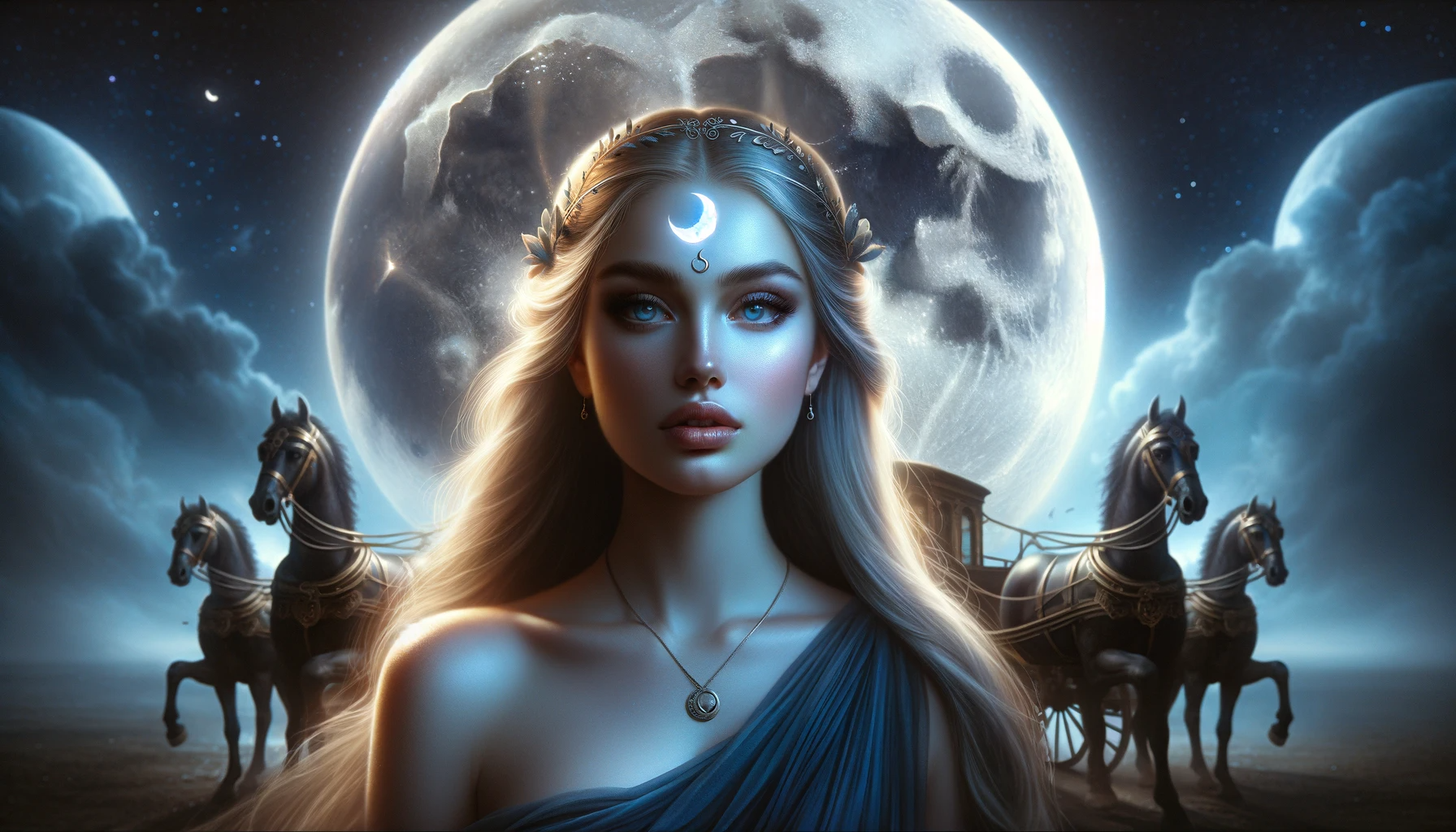 | Selene is the Titan goddess of the moon. Titan gods and goddesses were actually the divine beings that preceded the Olympian gods and goddesses. Eos, goddess of the dawn, and Helios, god of the sun, were Selene's siblings. Selene's Greek identity morphed into its Roman one, Luna. She was revered as one of the most important deities for agriculture. As such, Selene tends to prefer a vegan diet. She also takes time occassionally to enjoy the ocean tides that she creates. Like a full moon, Selene shines brightly at all that she pursues. |
| Clara | Persephone | 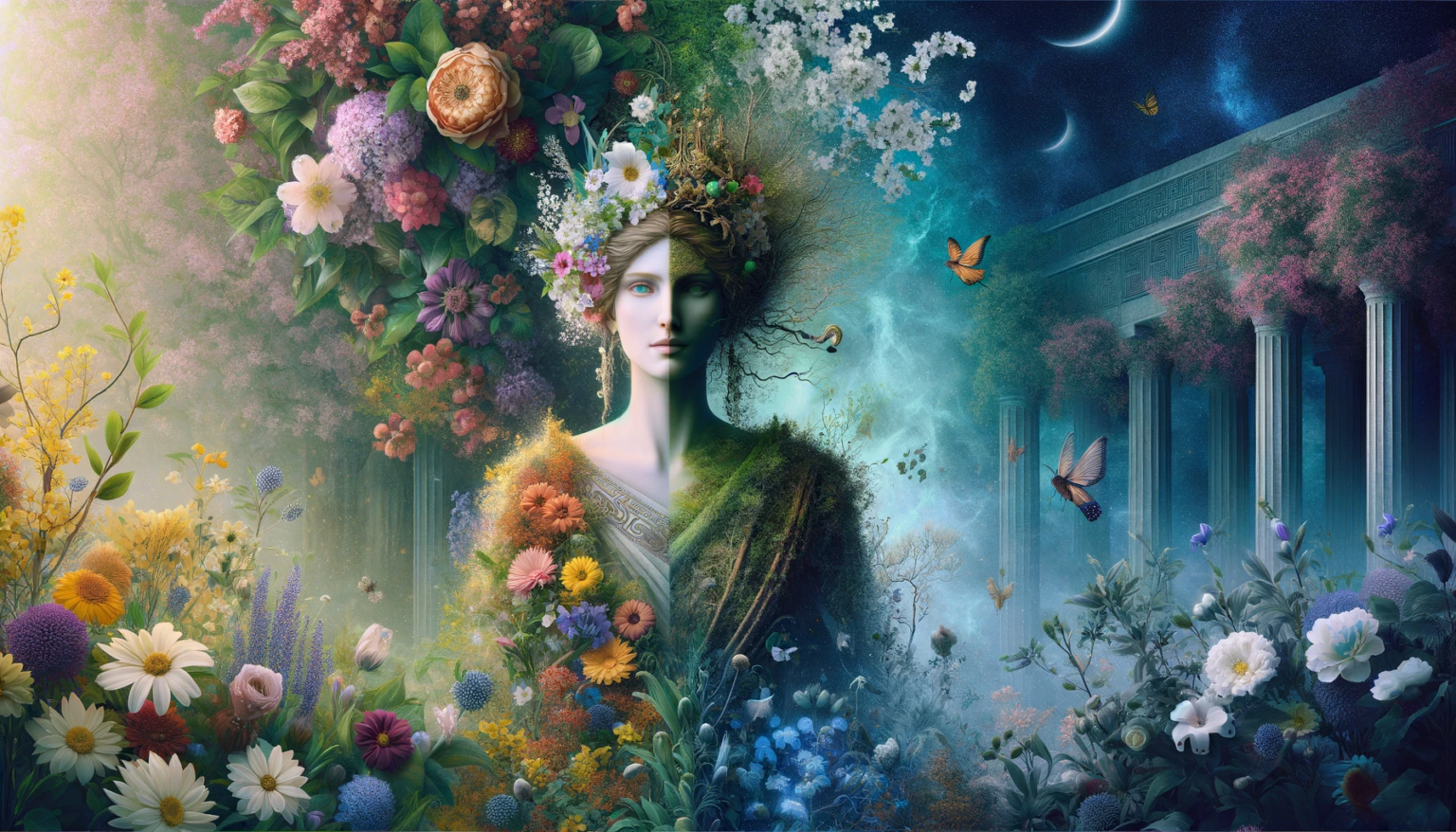 | Queen of the underworld and a symbol of nature's cyclical renewal. Symbols: Seeds of Grain, Torch. Sacred animals: Deer. Items: Pomegranate, Flowers, Asphodel. Parents: Zeus and Demeter. It is said by some that Persephone requires inordinate amounts of sleep to function well. |
| Peyton | Circe | 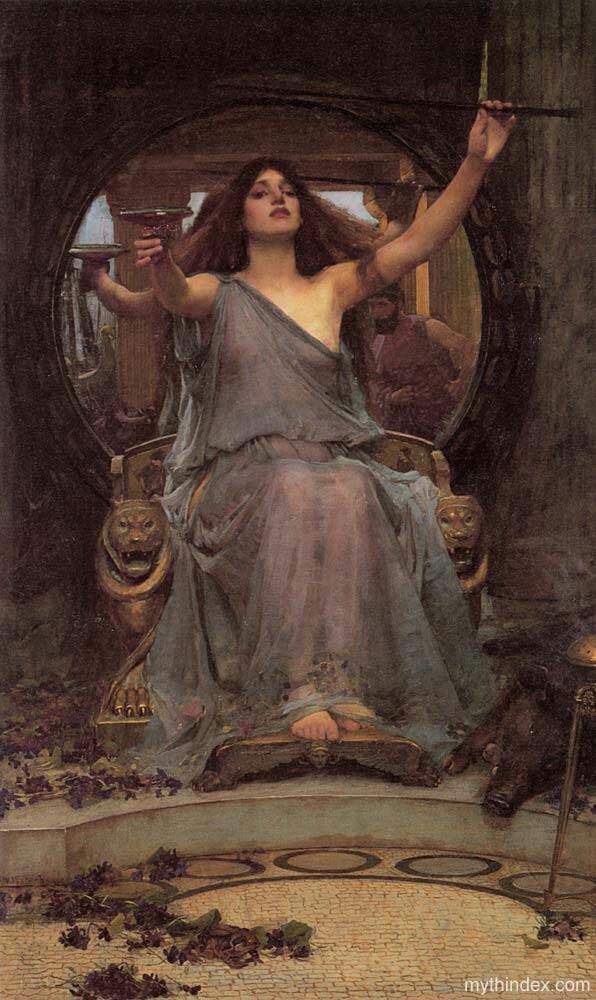 | In Greek mythology, Circe was a goddess of magic, though she was sometimes depicted as a nymph (minor nature god), a witch or an enchantress. In any case, she was associated with magic. She knew a lot about potions and herbs, and sometimes used this knowledge against her enemies and people who offended her, turning them into wild animals. She also had a wand or staff called the rhabdos which she also used to channel her magic. In fact, this was the earliest mention of a "magical wand or staff" in Western writings; it was referred to in Homer's epic poem, the Odyssey, when Circe used it to turn Odysseus's men into beasts. Some believe that Circe also has a strong affinity for dragons of all kinds. |